


Setting boundaries in relationships is one of the most important steps you can take to protect your emotional well-being and foster mutual respect. When you establish clear limits, you create a safe space where both you and the people you care about can thrive. I’ve learned that healthy boundaries are not about building walls but about defining what feels right and comfortable for you. Let’s explore how you can set healthy relationship boundaries in a way that feels natural and empowering.
Why Healthy Relationship Boundaries Matter
Healthy relationship boundaries are the invisible lines that protect your emotional space and personal values. Without them, it’s easy to feel overwhelmed, disrespected, or drained. Boundaries help you communicate your needs clearly and prevent misunderstandings. They also encourage respect and trust, which are the foundation of any strong relationship.
For example, if you need time alone after a busy day, setting a boundary around your personal time helps others understand and respect that need. Or, if you don’t feel comfortable discussing certain topics, boundaries allow you to express that without guilt.
When you set boundaries, you’re not pushing people away. Instead, you’re inviting healthier interactions and deeper connections. It’s a way of saying, “I value myself, and I want to be treated with kindness and respect.”

How to Recognize When You Need Boundaries
Sometimes, it’s not obvious when boundaries are needed until you start feeling certain emotions. Pay attention to moments when you feel:
Resentment: You agree to things you don’t want to do.
Anxiety: You feel nervous or uneasy around someone.
Exhaustion: You’re emotionally or physically drained after interactions.
Frustration: You feel unheard or disrespected.
These feelings are signals that your boundaries might be too loose or unclear. Recognizing them is the first step toward change.
It’s also helpful to reflect on your values and limits. What makes you feel safe? What feels uncomfortable or overwhelming? Knowing these answers helps you set boundaries that truly support your well-being.
What are examples of healthy boundaries in a relationship?
Healthy boundaries can look different depending on the relationship and your personal needs. Here are some common examples that might resonate with you:
Time boundaries: Setting limits on how much time you spend together or apart. For instance, you might say, “I need some quiet time after work before we talk.”
Emotional boundaries: Protecting your feelings by deciding what you’re willing to share and what you’re not. You might say, “I’m not ready to discuss that topic right now.”
Physical boundaries: Defining your comfort level with physical touch or personal space. For example, “I prefer hugs only when I initiate them.”
Digital boundaries: Managing how and when you communicate online or through texts. You could say, “I don’t check messages after 9 PM.”
Social boundaries: Choosing how much you involve others in your relationship or personal life. For example, “I prefer to keep some things private between us.”
These examples are just starting points. Your boundaries should reflect what feels right for you, not what others expect.
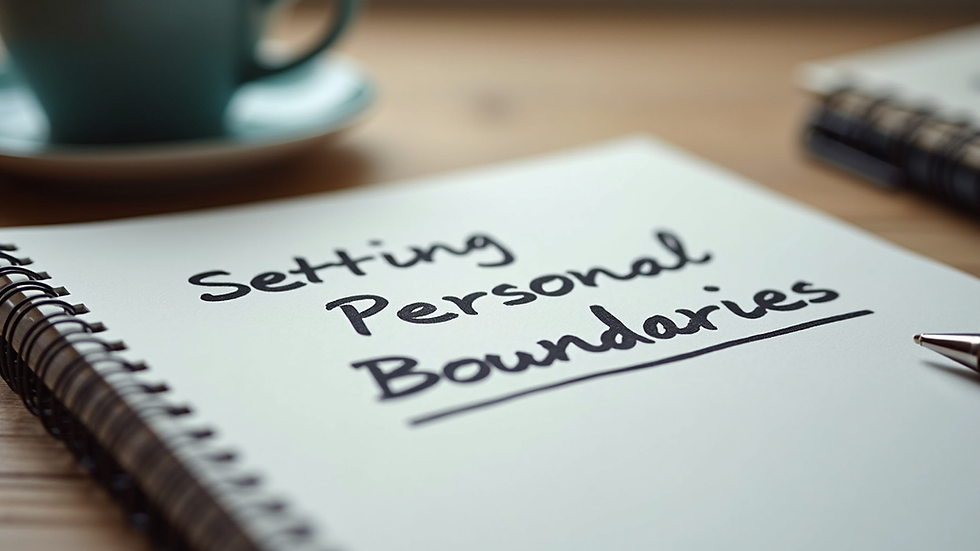
Practical Steps to Set Healthy Boundaries
Setting boundaries can feel intimidating, especially if you’re used to putting others’ needs first. Here’s a simple, step-by-step approach to help you get started:
Identify your limits
Take time to reflect on what feels comfortable and what doesn’t. Write down your thoughts if it helps.
Communicate clearly and kindly
Use “I” statements to express your needs without blaming. For example, “I feel overwhelmed when plans change last minute. I’d appreciate a heads-up.”
Be consistent
Stick to your boundaries even if it feels uncomfortable at first. Consistency helps others understand and respect your limits.
Practice self-compassion
Remember, it’s okay to say no. Setting boundaries is an act of self-care, not selfishness.
Prepare for pushback
Some people might resist your boundaries. Stay calm and reaffirm your needs gently but firmly.
Seek support if needed
Talking to a trusted friend, counselor, or therapist can provide encouragement and guidance.
By following these steps, you’ll build confidence in expressing your boundaries and create healthier, more balanced relationships.
How Boundaries Support Your Emotional Health
When you set boundaries, you’re protecting your emotional energy. This is especially important if you’re navigating anxiety, self-doubt, or life transitions. Boundaries help you:
Reduce stress by preventing overwhelm.
Build self-trust by honoring your feelings and needs.
Improve communication by making your expectations clear.
Enhance self-esteem by valuing yourself enough to say no.
Create space for growth by focusing on what truly matters to you.
If you’re wondering how to set healthy boundaries in relationships, remember it’s a skill you can develop over time. Each small step you take is progress toward a more fulfilling and respectful connection with yourself and others.
Moving Forward with Confidence and Clarity
Setting healthy relationship boundaries is a journey, not a one-time event. It takes practice, patience, and kindness toward yourself. As you become more comfortable with your limits, you’ll notice your relationships feel more balanced and supportive.
Remember, boundaries are about respect - for yourself and for those around you. They help you create a life where you feel safe, valued, and empowered. Keep listening to your feelings, communicating openly, and trusting your instincts.
You deserve relationships that nurture your growth and happiness. By setting healthy boundaries, you’re taking a powerful step toward that reality.
If you want to explore more about setting boundaries and building confidence, consider reaching out for support. Sometimes, having a guide can make all the difference in navigating these changes with grace and strength.
Inspired by the Gottman Institute

Entering into a long-term relationship is one of life’s most meaningful decisions. Not only does it shape your day-to-day happiness, but it also deeply affects your emotional well-being and long-term growth. Which qualities actually matter? Below are key traits to look for, followed by reflective questions to help you recognize whether someone is a strong match for you.
Key Qualities of a Healthy Long-Term Partner
1. Emotional accessibility & responsiveness - Someone who can be emotionally present, responsive when you share vulnerability, and trustworthy in letting you see their inner world.
2. Reliability & consistency - A partner who keeps their word, follows through, and makes you feel stable.
3. Shared values and life goals - Having aligned views on major issues—family, finances, children, lifestyle—so that you’re moving in the same direction instead of pulling apart.
4. Ability to repair conflict - Disagreements are normal; what matters is how they’re repaired. Healthy partners apologize, listen, and restore closeness instead of prolonging negativity.
5. Mutual respect, kindness & generosity - Everyday kindness, respect for boundaries, and generosity of spirit sustain intimacy over time more than grand romantic gestures.
6. Support for personal growth - A partner who encourages you to grow, try new things, and become the best version of yourself—while also being open to their own growth.
Why These Traits Matter
These qualities are not just “nice to have.” They form the foundation of lasting, resilient partnerships. Emotional responsiveness builds trust, conflict repair sustains intimacy, and shared values provide a roadmap for the future. Together, they create a relationship that is both secure and dynamic.
Reflective Questions
Do I feel safe being vulnerable in this relationship?
When I bring up hurts or frustrations, does my partner listen and try to understand?
Are we on similar paths for what we want long-term?
Do we handle disagreements with respect and a desire to repair?
Do I feel encouraged to grow and explore—not limited or criticized?
If you’d like to dive deeper, you can read the full original article here: What to Look for in a Long-Term Partner — The Gottman Institute
Final Thoughts
Choosing a long-term partner isn’t just about attraction—it’s about emotional safety, shared direction, and a willingness to grow together. By paying attention to these traits, you give yourself the best chance at building a relationship that’s fulfilling and sustainable.
At Green Therapy and Consultation, we believe relationships mirror much of our inner work. The traits above are not just qualities to search for in others—they are also reminders of what to cultivate in yourself: emotional honesty, repairing harms, generosity, self-awareness, and growth. When you bring those into your partnerships, you set the stage for deeply satisfying, lasting connection.
If you want help reflecting on these traits in your own relationship, or want to explore what healthy dynamics look like for you, feel free to reach out. I’d love to help you align what you want in a partner with who you want to be.
Updated: May 3, 2025
Life is full of transitions. Whether it’s starting a new job, moving to a new city, ending a
relationship, becoming a parent, or entering a new stage of life, change often brings uncertainty. This uncertainty can lead to anxiety, even when the change is positive.
At Green Therapy and Consultation, we specialize in helping individuals in Texas and Illinois navigate life transitions through online therapy. Here are some practical, therapist-backed
tips for managing anxiety during times of change.
1. Acknowledge the Change
The first step to managing anxiety is recognizing that a transition is happening. It’s normal to feel a wide range of emotions including excitement, sadness, and fear. Giving yourself permission to feel these emotions without judgment is a powerful way to reduce internal resistance.
2. Maintain a Routine
Transitions can disrupt our daily habits. Creating a simple routine—even if it’s just regular meals and a sleep schedule—can provide structure and a sense of control. Routines act as an anchor in uncertain times.
3. Practice Mindfulness and Grounding Techniques
Mindfulness exercises like deep breathing, meditation, and body scans can help regulate your nervous system. Try grounding yourself with the 5-4-3-2-1 technique:
5 things you can see
4 things you can touch
3 things you can hear
2 things you can smell
1 thing you can taste
These practices help bring you back to the present moment when anxiety spirals.
4. Set Small, Realistic Goals
Break your transition into manageable steps. If you’ve started a new job, for example, aim to learn one new task per day or meet one new coworker per week. Celebrate each small win—they build momentum and reduce overwhelm.
5. Stay Connected
Anxiety often convinces us to isolate, but staying connected to others is crucial. Reach out to friends, join a support group, or consider talking to a mental health professional. Therapy provides a non-judgmental space to process your experience and receive guidance.
6. Reframe Negative Thoughts
Cognitive Behavioral Therapy (CBT) techniques can be helpful during transitions. If you find yourself stuck in "what if" thinking or catastrophizing, try to reframe the thought. Instead of "I won't be able to handle this," shift to, "This is challenging, but I have tools and support to cope."
7. Take Care of Your Body
Your mental health is deeply connected to your physical wellness. Eat nourishing meals, stay hydrated, move your body, and get adequate rest. Even small changes in your lifestyle can make a big impact on your ability to manage stress.
When to Seek Support
If anxiety is interfering with your ability to function, or if you feel stuck, online therapy can help. At Green Therapy and Consultation, we work with adults 18+ across Texas and Illinois to manage anxiety, build coping skills, and regain balance during life's transitions.
Ready to Take the Next Step?
Reach out today to schedule a virtual session with a licensed therapist. Email us at letstalk@greentherapyandconsultation.com or request an appointment.